Resources · Graphic Design
How to keep AI-generated creative on brand

By Flocksy Staff Writer
November 10, 2026 · 5 min read
AI output drifts off brand because the brand usually lives in a PDF that nobody feeds the tool. The fix has two parts. Turn the brand into inputs a tool can use, such as tokens, approved references and example copy, and have a named person approve every piece before it is published.
The checklist below is written to be copied into your own process. The sections after it explain why drift happens, what a machine-readable brand contains, who should give the final approval, and what to do with requests that fall outside the system.
Use this pre-publish checklist for AI-generated creative
For what the US Copyright Office has said about owning AI-generated work, see the ownership section of can AI replace a graphic designer?
Why AI output drifts off brand
AI tools do not know your brand. They know what is common. Ask for a social post with no other input and you get something close to the average of a great many social posts, which looks like everyone else's. Most brands exist as a guidelines PDF, a shared folder and the memory of the people who use them. None of that reaches the tool unless someone puts it there.
Drift also compounds. When one slightly off-brand output gets approved, it becomes the reference for the next job, and the brand moves a little further each time.
What a machine-readable brand actually contains
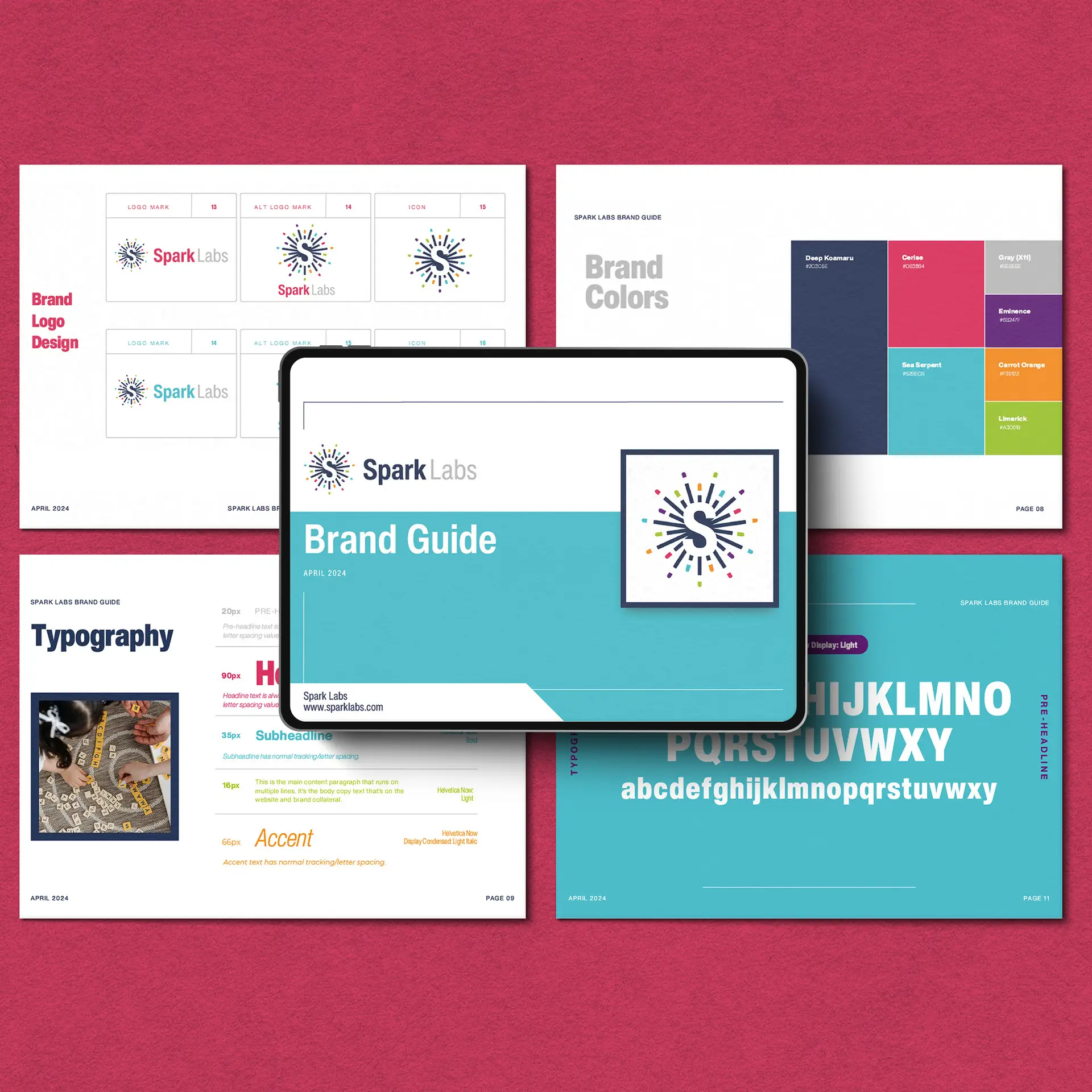
A machine-readable brand is your guidelines broken into pieces a tool can take as input:
- Tokens. Exact color values, typeface names, type sizes and spacing rules, written as values rather than descriptions.
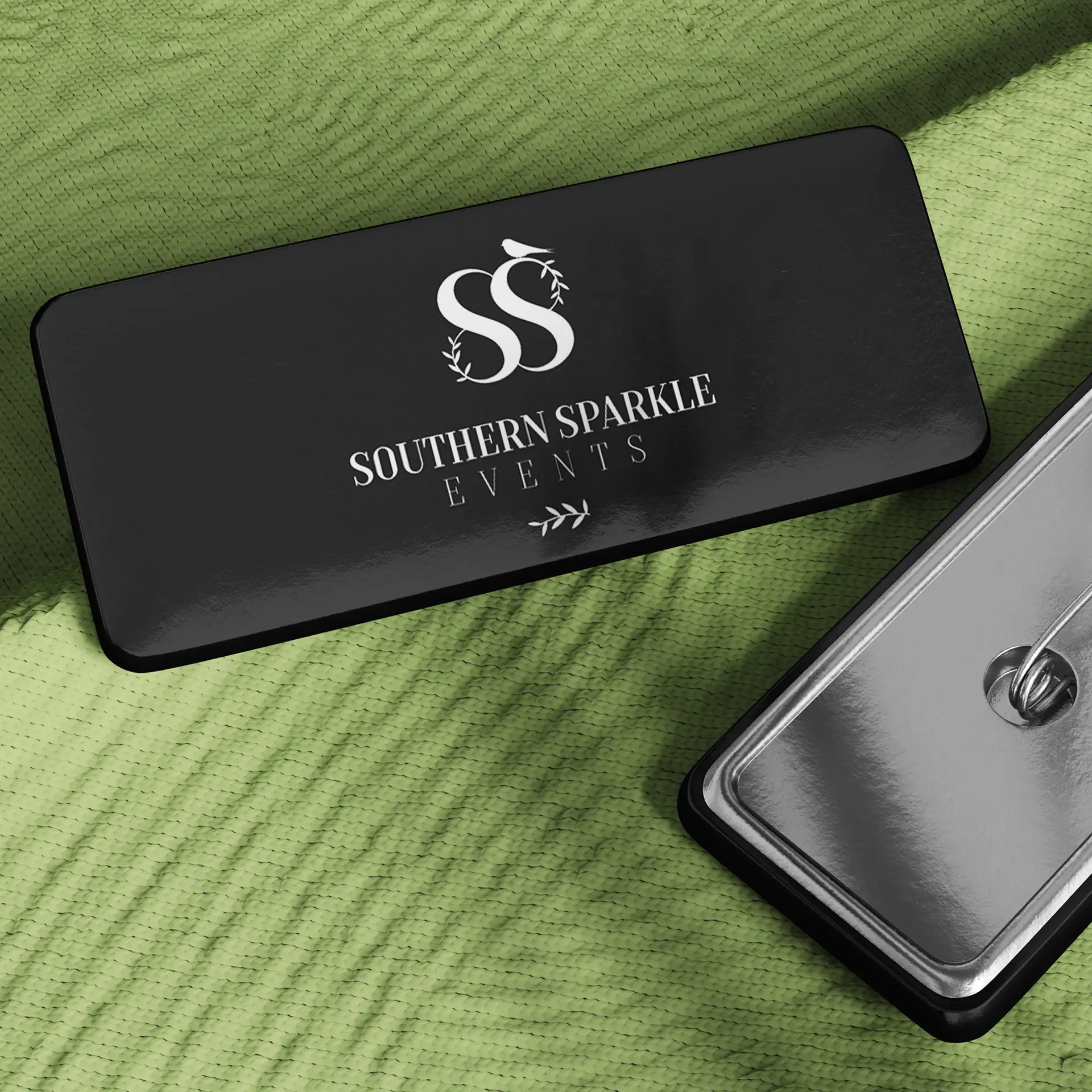
- Logo files and rules. Final logo files in every format, with clear-space and minimum-size rules. Logos should be placed as files, not generated.
- Approved references. A curated set of past work that shows the brand at its best, labelled by format.
- Voice samples. Real approved copy, a short list of words and phrases the brand uses, and a list it never uses.
- Prompts that worked. The exact inputs behind approved outputs, stored next to those outputs.
Keep all of it in one library with one owner. The AI creative workflow explains where that library sits in the wider production process.
One named person should give the final approval
One named person should approve every piece before it is published. A committee slows things down and blurs responsibility. The approver should be the person who knows the brand best, often a brand lead, a senior designer or whoever handles art direction, and they need the authority to send work back.
The approver's job is not to redo the work. It is to run the checklist above and to answer the one question a checklist cannot: does this look and sound like us?
Treat off-system requests as deliberate decisions
Sooner or later a client, a founder or a sales lead asks for something the system does not cover: a new color for a campaign, a different typeface for an event, a tone that breaks the voice. Saying no to everything makes the brand brittle. Saying yes to everything dissolves it.
Ask whether the request is a one-off or a new rule. A one-off can be designed as a clearly bounded exception. A new rule should be designed properly, added to the tokens and references, and recorded in the library so the next round of AI output picks it up. That call is usually an art direction decision, not a production one.
This is also where continuity matters most: on a Flocksy team, the designer extending your brand is the person who has been working inside it, so an off-system request gets designed rather than improvised.
For identity work itself, see branding and identity design. For which design jobs AI can handle on its own, read can AI replace a graphic designer?
Frequently asked questions
Why does AI-generated content look generic?
AI tools produce what is common in the material they learned from, so with no brand input they return the average of many similar pieces. Most brands live in a guidelines PDF and the memory of the people who use it, and none of that reaches the tool unless someone supplies it as tokens, approved references and example copy.
How do you make AI follow brand guidelines?
Break the guidelines into inputs a tool can use: exact color values and type specifications, final logo files to place rather than generate, approved reference work, and real examples of on-brand copy. Store the prompts that produced approved work in a shared library, and have one named person approve every piece before it is published.
What are brand tokens?
Brand tokens are a brand's visual rules written as exact values instead of descriptions. They include color codes, typeface names, type sizes, spacing and clear-space rules. Because they are precise, they can be given to an AI tool or a design system as inputs, which keeps colors and type consistent across every piece of creative.
Who should approve AI-generated creative before it is published?
One named person who knows the brand best, such as a brand lead, a senior designer or whoever handles art direction, and who has the authority to send work back. A committee tends to slow approval and blur responsibility, while a single approver working from a written checklist keeps the standard consistent from one piece to the next.
What should you check before publishing AI-generated images?
Check that the logo is the real file, that colors and type match the brand tokens, that any text in the image is correct, and that hands, faces, products and labels are undistorted. Confirm every claim is accurate, record which tool made each element, check that the tool allows commercial use, and follow the publishing platform's disclosure rules.
From the studio
Want this handled for you?
A dedicated designer, video editor, motion editor, and illustrator who learn your brand and ship work every business day. Flat monthly rate. Banked hours roll over for 30 days. Cancel anytime.